
Natural vs. Lab-Grown Diamonds: What Today’s Couples Should Really Know
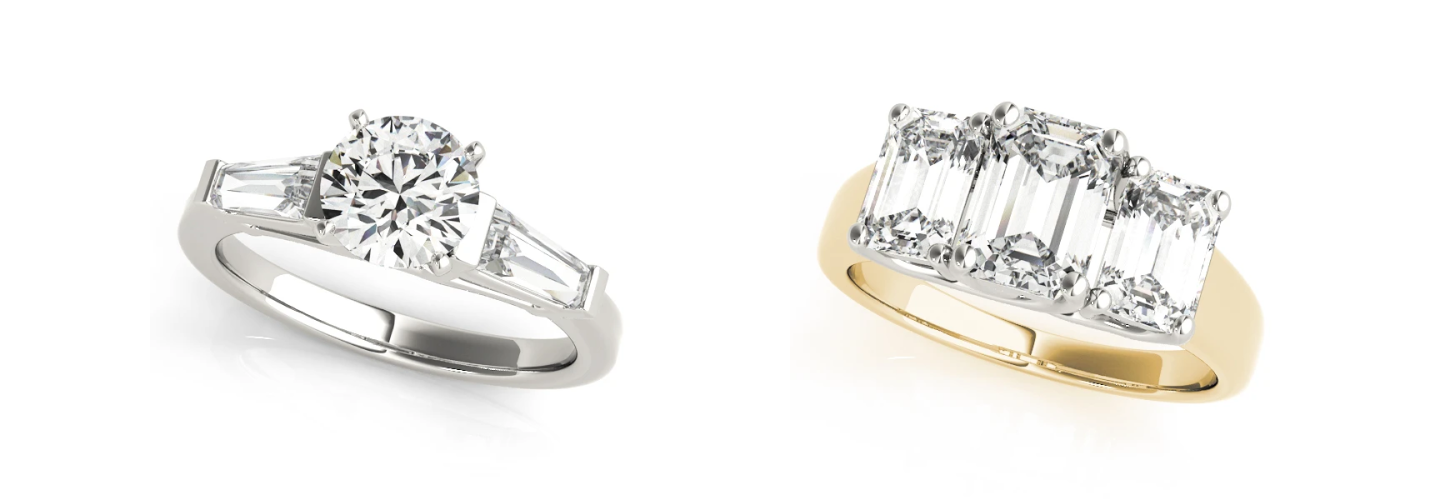
When shopping for an engagement ring, one of the first questions couples ask today is:
Natural or lab-grown?
It’s a meaningful question — not because one is better than the other, but because the choice reflects personal values.
Both are real diamonds.
Both can be certified.
Both can be chosen with intention.
If you’re just beginning your search, you may want to start with our full Diamond Education Guide to understand how diamonds are graded and what truly affects brilliance and value.
Let’s break it down clearly and transparently.
Are Lab-Grown Diamonds Real?
Yes.
Lab-grown diamonds are chemically, physically, and optically identical to natural diamonds. They are composed of carbon, share the same crystal structure, and rank 10 on the Mohs hardness scale — just like diamonds formed in the earth.
They are not:
- Cubic zirconia
- Moissanite
They are diamonds.
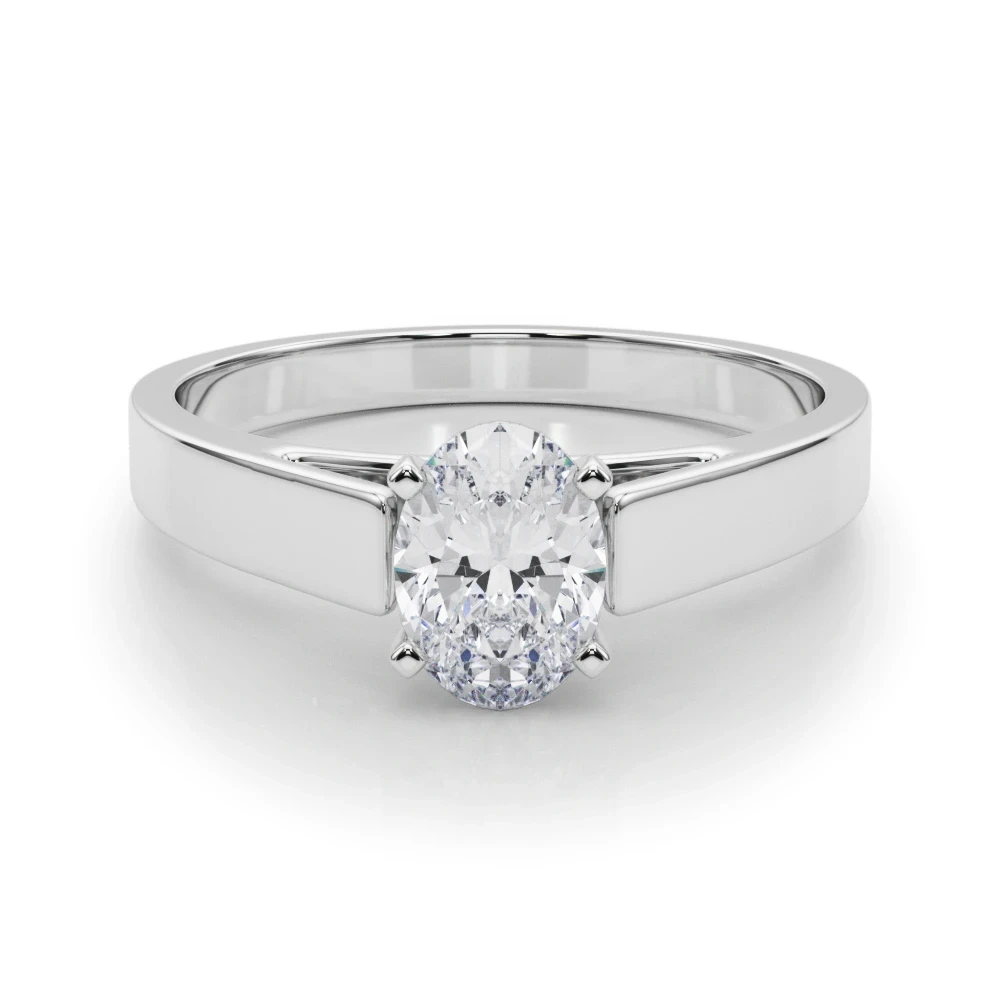
All lab-grown diamonds at SAMA are certified and graded using the same standards as natural stones. When browsing our Lab-Grown Diamond Engagement Rings, you’ll see detailed grading information so you can compare clarity, color, cut, and carat with confidence.
For many couples, the reassurance comes from understanding that the brilliance you see is not altered — only the origin differs.
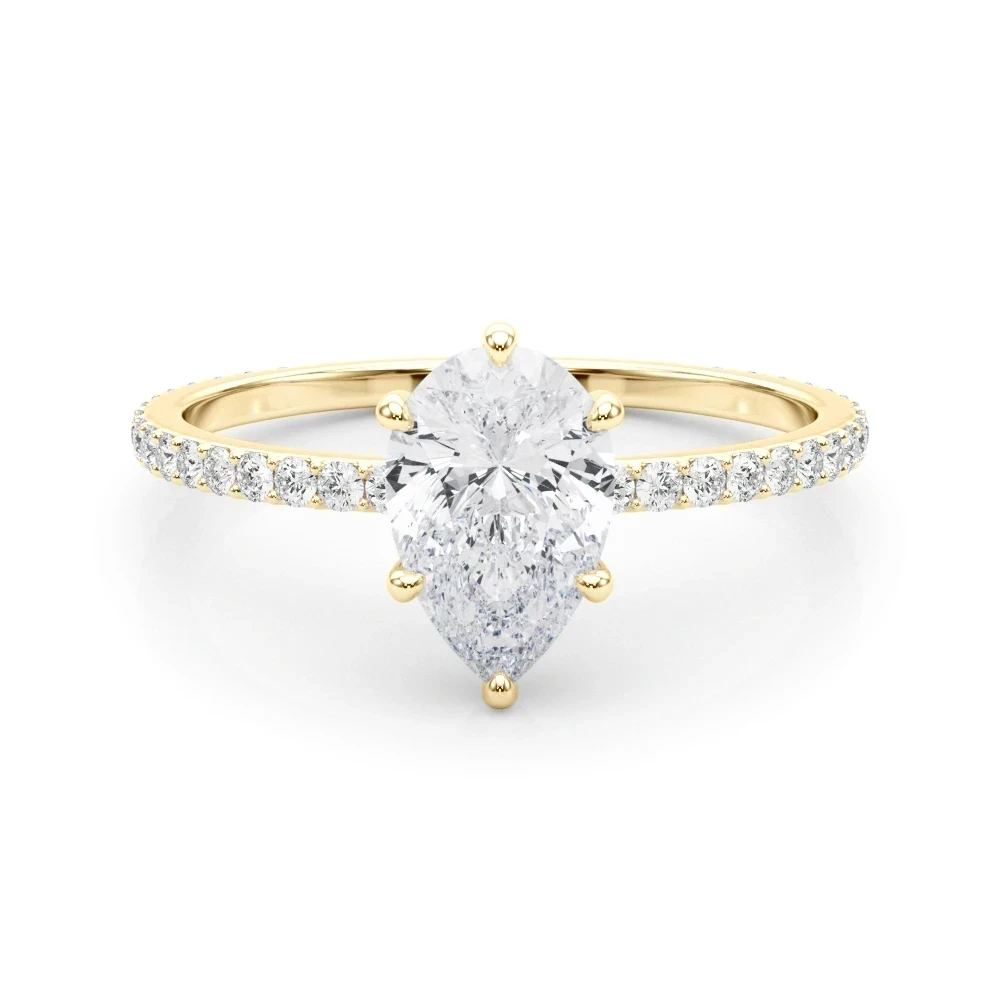
What Is a Natural Diamond?
Natural diamonds form deep within the earth over billions of years under intense heat and pressure before being mined and cut for fine jewelry.
They are graded for the same characteristics as lab-grown diamonds — clarity, color, cut, and carat — and often chosen for their rarity and geological history.
Couples who gravitate toward natural diamonds often value:
- The idea of something formed over time
- The legacy of traditional bridal jewelry
- Geological rarity
You can explore SAMA’s curated selection of Natural Diamond Engagement Rings to see how different settings and carat weights compare.
For some, the emotional symbolism of a natural stone is deeply meaningful. For others, it’s about honoring tradition in a modern way.
What Is a Lab-Grown Diamond?
Lab-grown diamonds are created in controlled environments using advanced technology that replicates the earth’s natural diamond-forming process.
The result is a diamond that is visually and structurally identical to a natural one.
Couples often choose lab-grown diamonds because they:
- Allow for larger center stones within the same budget
- Offer greater pricing accessibility
- Provide clarity around sourcing and production
Within our Create Your Own Ring Experience, you can compare natural and lab-grown options side by side — adjusting center stone size, setting style, and metal to see what aligns with your vision.
The decision is not about appearance. It’s about alignment.
Natural vs. Lab-Grown: The Key Differences
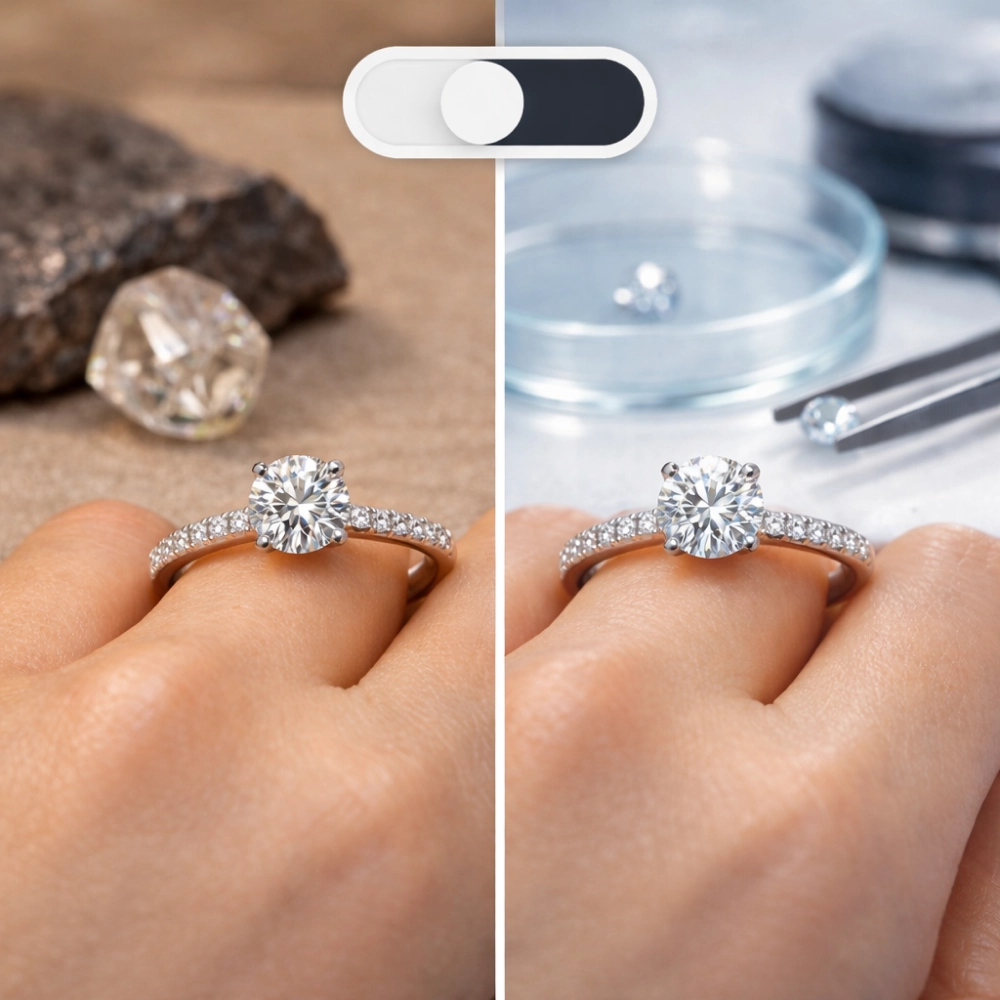
Here’s a simplified comparison:
Visually, even trained professionals require specialized equipment to distinguish between them.
The difference isn’t in what they are — it’s in how they came to be.
| Feature | Natural Diamond | Lab-Grown Diamond |
|---|---|---|
| Composition | Carbon | Carbon |
| Hardness | 10 (Mohs) | 10 (Mohs) |
| Appearance | Identical brilliance | Identical brilliance |
| Formation | Billions of years underground | Created in controlled environment |
| Pricing | Typically higher per carat | Often allows for larger center stone at similar budgets |
You can view both categories within our full Diamond Engagement Rings Collection to see how pricing and carat scale across each.
Which Diamond Is Right for You?
There isn’t a universal answer.
You might choose natural if:
- You value rarity and geological origin
- Tradition feels meaningful
- You want a stone formed over billions of years
You might choose lab-grown if:
- You prefer maximizing carat within your budget
- You value production transparency
- You align with innovation and modern sourcing
At SAMA, we don’t position one above the other. We offer both — transparently — because your ring should reflect your priorities, not industry noise.
If you’re still exploring, our comprehensive Diamond Guide walks through certification, grading, and what truly impacts sparkle and durability.
Transparency Matters — No Matter What You Choose
Online jewelry shopping requires trust.
That’s why every diamond at SAMA — natural or lab-grown — includes:
- Clear grading details
- Certification information
- Transparent pricing
- Ethical sourcing standards
Whether you begin by browsing Lab-Grown Diamond Settings, exploring Natural Diamonds, or designing through our Design Your Ring Experience, the goal remains the same: clarity before commitment.
The Future of Bridal Is About Choice
Bridal jewelry is evolving.
Some couples prioritize legacy.
Some prioritize accessibility.
Many prioritize transparency.

The choice is yours
The real shift in today’s engagement ring market isn’t about lab vs. natural — it’s about informed, intentional decision-making.
And that’s exactly how it should be.
The choice is yours